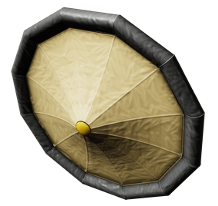
Developing Japan's first Mars lander
JAXA の宇宙戦略基⾦を受託
— MarsTouchプロジェクト@NeSTRA (@NeSTRA_MTP) 2025年4月24日
「展開型エアロシェル技術の地球⼤気圏突⼊実証と⽕星着陸機への適⽤」 https://t.co/c0G0pul5FE
"MarsTouch"プロジェクトは、次世代宇宙システム技術研究組合(NeSTRA)がJAXA宇宙戦略基金 の委託を受けて実施する火星着陸機の開発プロジェクトです。大気圏突入時の最大のハードルである空力加熱を大幅に低減できる展開型エアロシェル技術を用いた超小型の⽕星着陸機を開発します。地球低軌道からの⼤気圏再突⼊実証を行った後、我が国初の火星本星への着陸探査に挑戦します。
The "MarsTouch" project is a Mars lander development initiative carried out by Next-generation Space system Technology Research Association (NeSTRA) under commission from
JAXA Space Strategy Fund. The project aims to develop a micro Mars lander using deployable aeroshell technology, which can significantly reduce aerodynamic heating—the greatest challenge during atmospheric entry.
Following a re-entry demonstration from low Earth orbit, the project will take on the challenge of Japan’s first landing and exploration mission on the Martian surface.
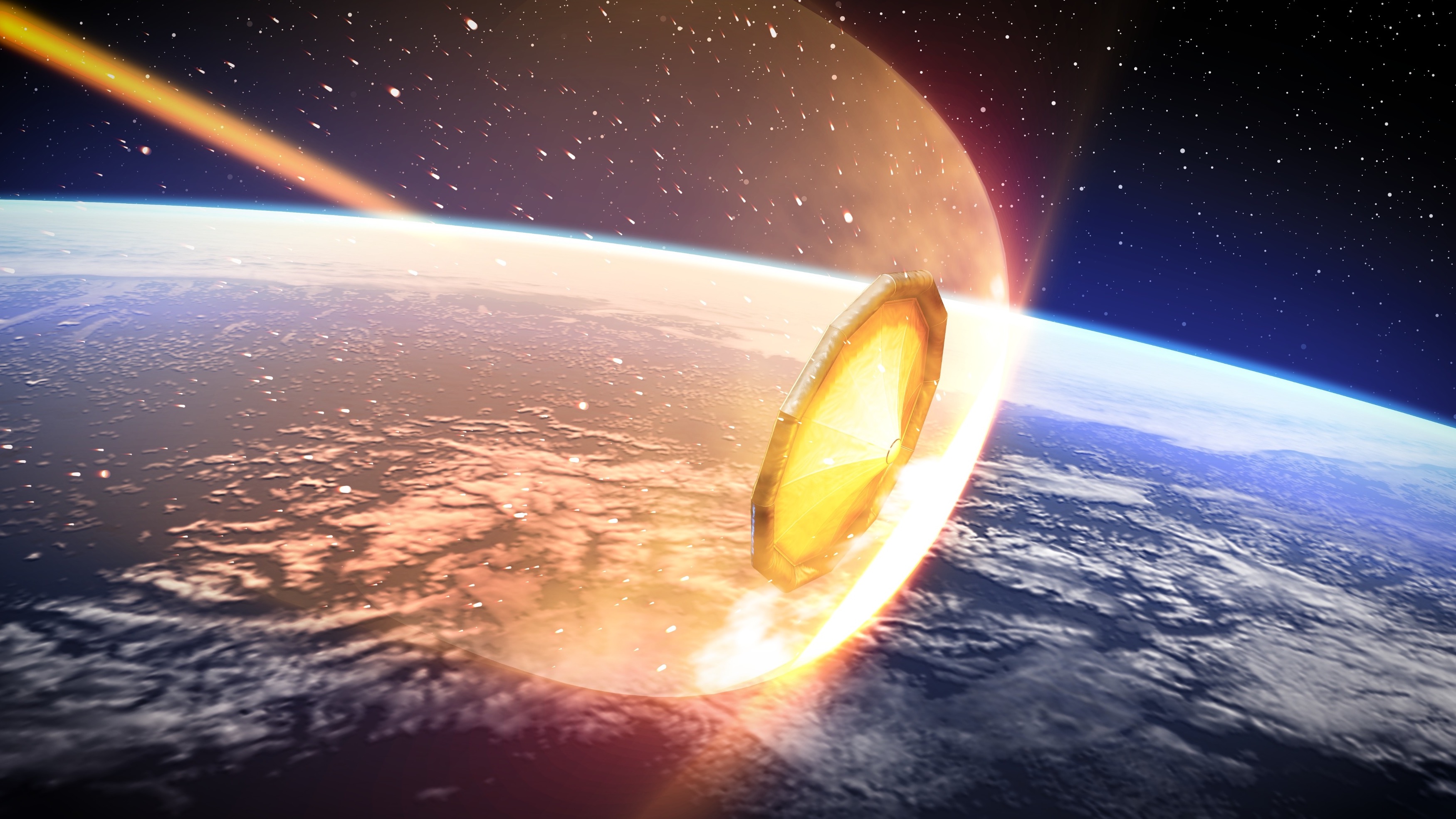
(Flight demonstration into Earth’s Atmosphere of inflatable aeroshell Technology for low-HEating Reentry)
展開型エアロシェル(質量20kg程度、直径3.0m)が、100kW/m2程度の耐熱性能を有することを、2027年度末を目処に地球低軌道からの再突入飛行により実証します。この技術実証の成果をもとに、地球低軌道やサブオービタルから地上への低コストで信頼性が高い帰還・回収技術を構築し事業化を目指します。
By the end of fiscal year 2027, we aim to demonstrate through a re-entry flight from low Earth orbit that a deployable aeroshell (with a mass of approximately 20 kg and a diameter of 3.0 m) possesses thermal protection capability on the order of 100 kW/m². Building on the results of this technology demonstration, we will establish a low-cost, highly reliable return and recovery technology from low Earth orbit and suborbital trajectories to the ground, with the goal of commercializing it.
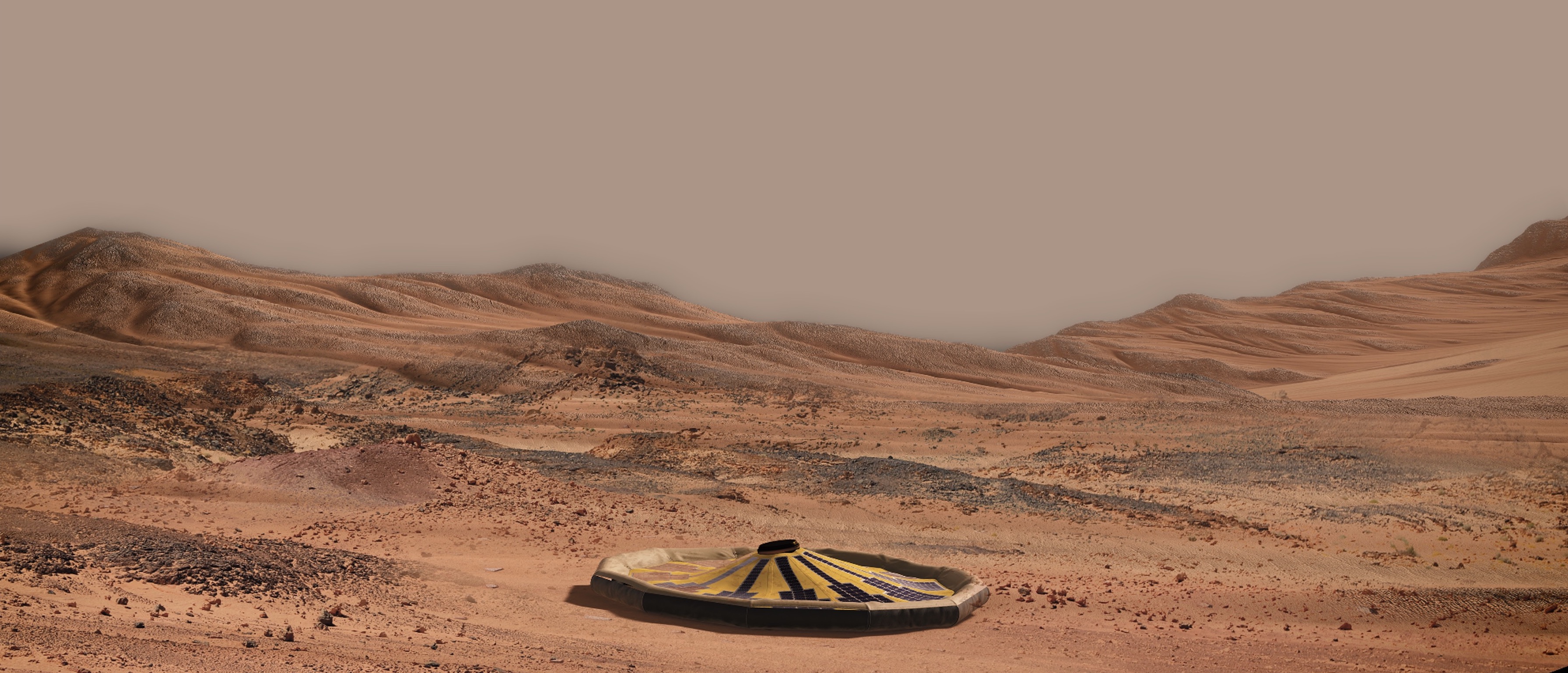
(Flexible and ANchoring EDL system for Martian Ground)
FEATHERで開発した機体をベースに、低コストな超小型(20kg級)の火星着陸システムを開発し、2030年度を目処に地上検証を完了します。火星表面へのハードランディング・地面貫入方式(ペネトレータ)に耐えられる十分な耐衝撃性を有する小型・軽量・省電力な搭載機器群も開発し、赤道付近で昼夜を超えた長時間駆動を可能とするシステムを目指します。
Building on the vehicle developed in the FEATHER, we will develop a low-cost, micro Mars lander (around 20 kg class) and complete ground verification by fiscal year 2030. Alongside this, we will develop a set of compact, lightweight, and low-power instruments with sufficient shock resistance to withstand hard-landing ground-penetration on the Martian surface. The goal is to realize a system capable of long-duration operation across day–night cycles near the Martian equator.
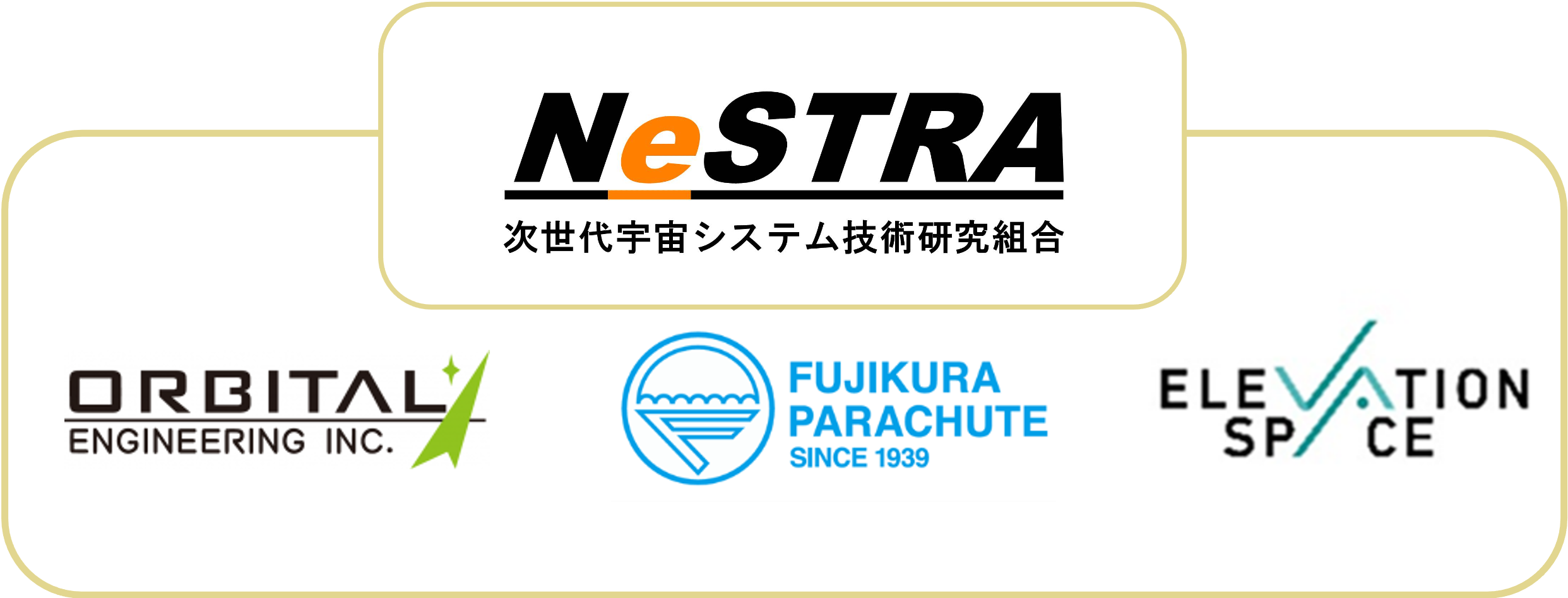
本プロジェクトは、技術研究組合(CIP)※である次世代宇宙システム技術研究組合(NeSTRA)の下に、企業の技術者、大学の研究者、JAXAの専門家(兼業)、キー技術を有する企業群が集結し、研究開発のためのノウハウや試験設備等のリソースを共有して、効率的かつ柔軟なプロジェクトチームで実施しています。
藤倉航装(株)が展開型エアロシェル開発、
(株)ElevationSpaceが洋上回収をそれぞれ担当し、
(有)オービタルエンジニアリングをはじめとする衛星開発の経験豊富な企業群がシステム開発をサポートします。また、大学の研究者が専門的な知見を提供するとともに、プロジェクト全体の取りまとめを行います。
This project is being carried out under the Next-generation Space System Technology Research Association (NeSTRA), which is a Collaborative Innovation Partnership (CIP).
Engineers from industry, university researchers, JAXA experts (working concurrently), and companies possessing key technologies have come together, sharing know-how, facilities, and other resources for research and development. The project is implemented through an efficient and flexible project team.
Fujikura Parachute Co.Ltd. is responsible for the development of the deployable aeroshell, while
ElevationSpace Inc. handles offshore recovery. System development is carried out by a group of companies with extensive experience in satellite development, including
Orbital Engineering Inc. and other members participating in NeSTRA. In addition, university researchers provide their specialized expertise and coordinate the overall project.
※技術研究組合(CIP)は、産業活動において利用される技術に関して、組合員が自らのために共同研究を行う相互扶助組織(非営利共益法人)です。各組合員は、研究者、研究費、設備等を出しあって共同研究を行い、その成果を共同で管理し、組合員相互で活用します。 研究開発終了後に会社化して研究成果の円滑な事業化が可能で、大企業、中小ベンチャー企業、大学・公的研究機関等により幅広く活用されることが期待されています。(経産省HPより)
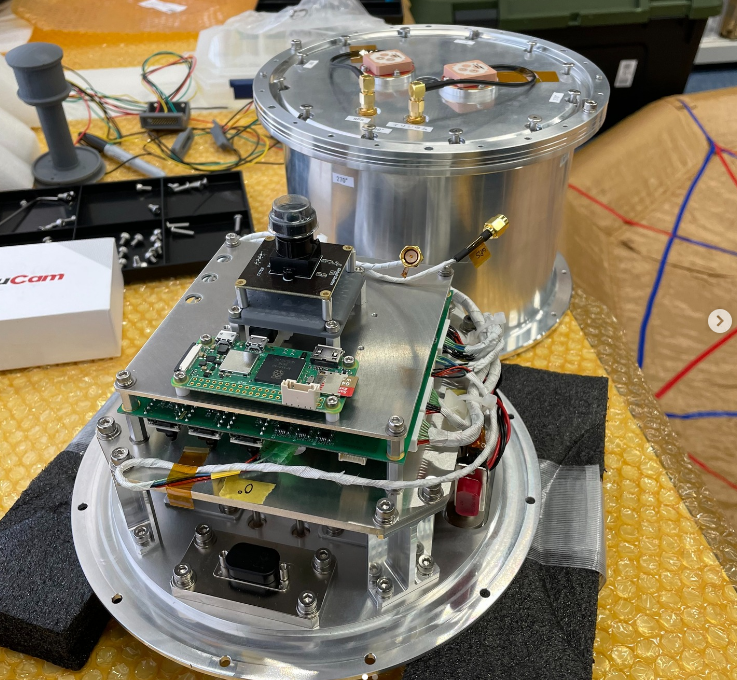
私たちは大気圏突入機体だけでなく、アビオニクスなどのコンポーネントからそれらの試験/インテグレーションまで、超小型の火星着陸システムに必要なすべての技術を開発しています。
We are developing not only the atmospheric entry vehicle but also all the technologies required for a micro Mars lander, from avionics and other components to their testing and integration.
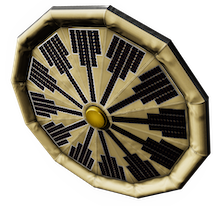
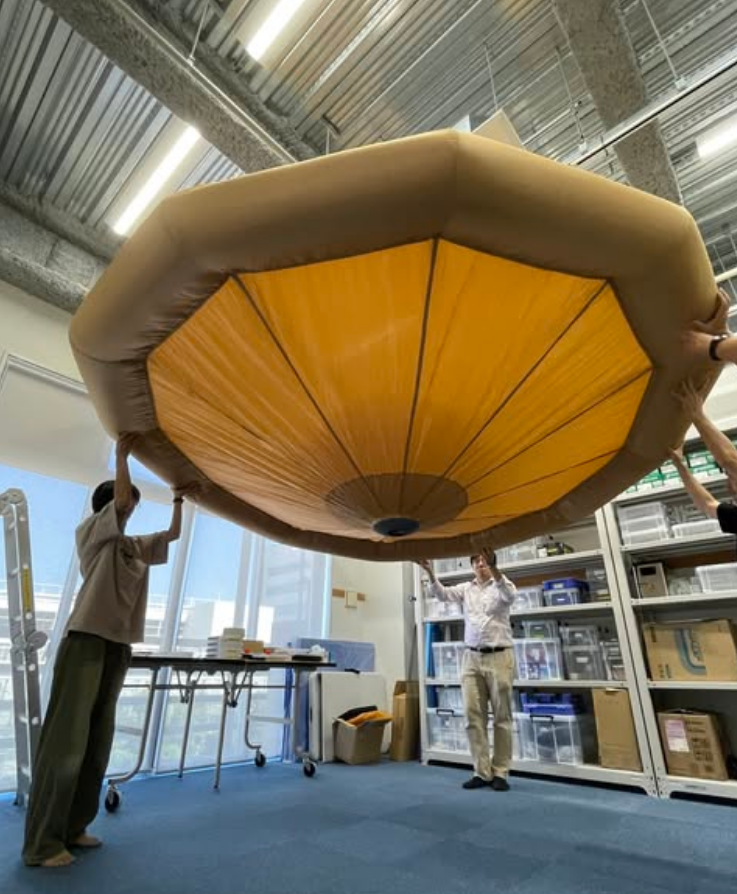
100kW/m2の加熱に耐えうる直径3mの展開型エアロシェル
Inflatable aeroshell with a diameter of 3 m capable of withstanding heating of 100 kW/m².
|
|
|
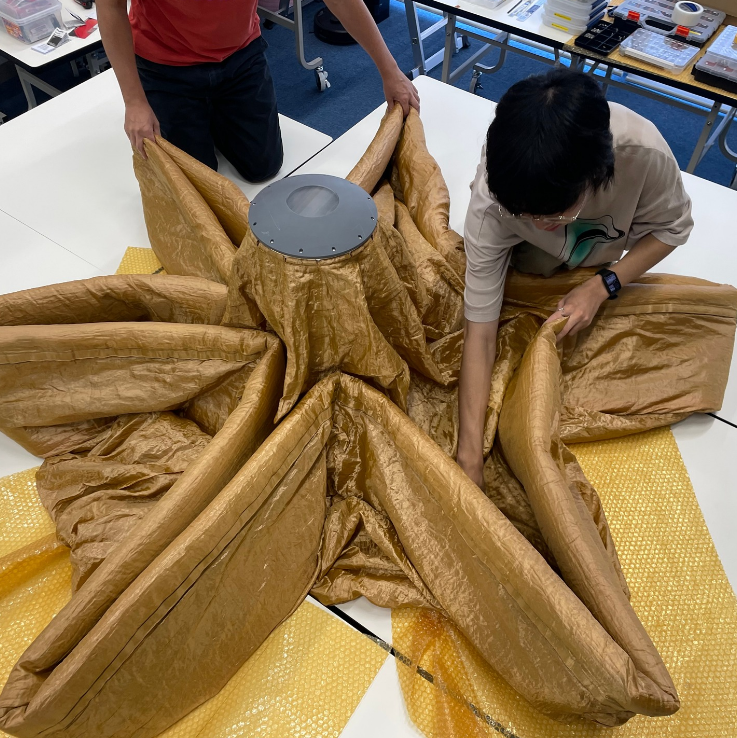
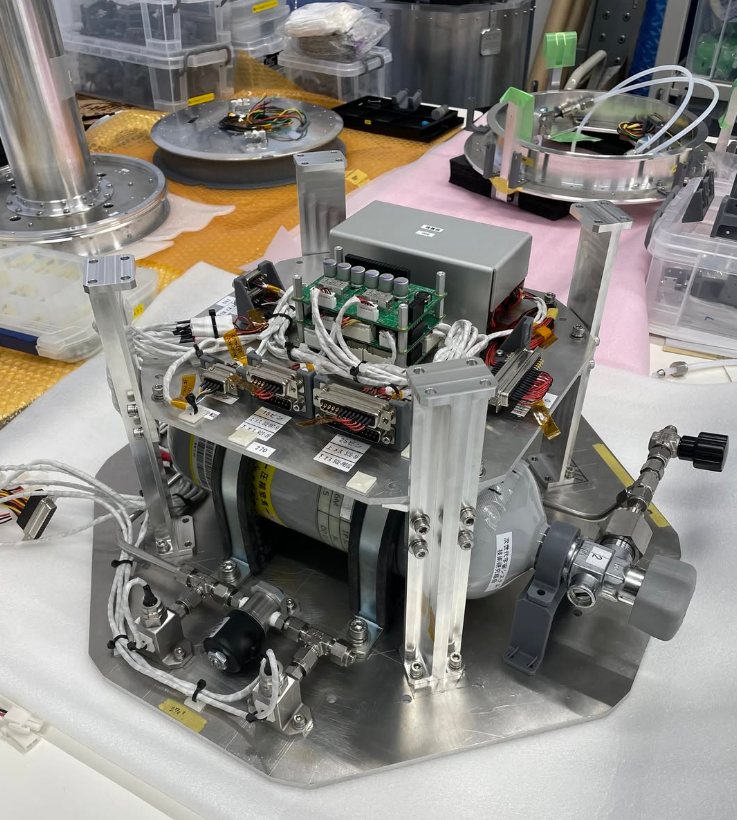
地球低軌道用イリジウム通信機、火星用薄膜太陽電池、低温2次電池、小型通信機、ヒートシールド、ガス注入装置
Iridium communication device for low Earth orbit, thin-film solar cell for Mars, cryogenic secondary battery, compact communication device, heat shield, gas injection system
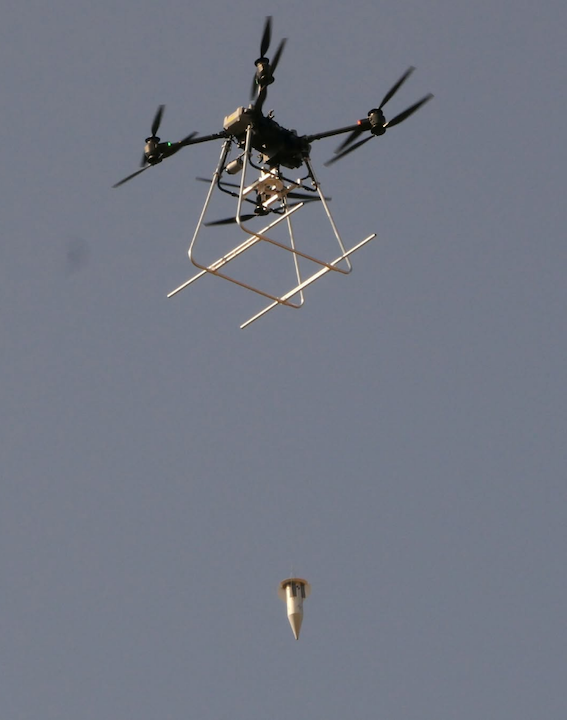
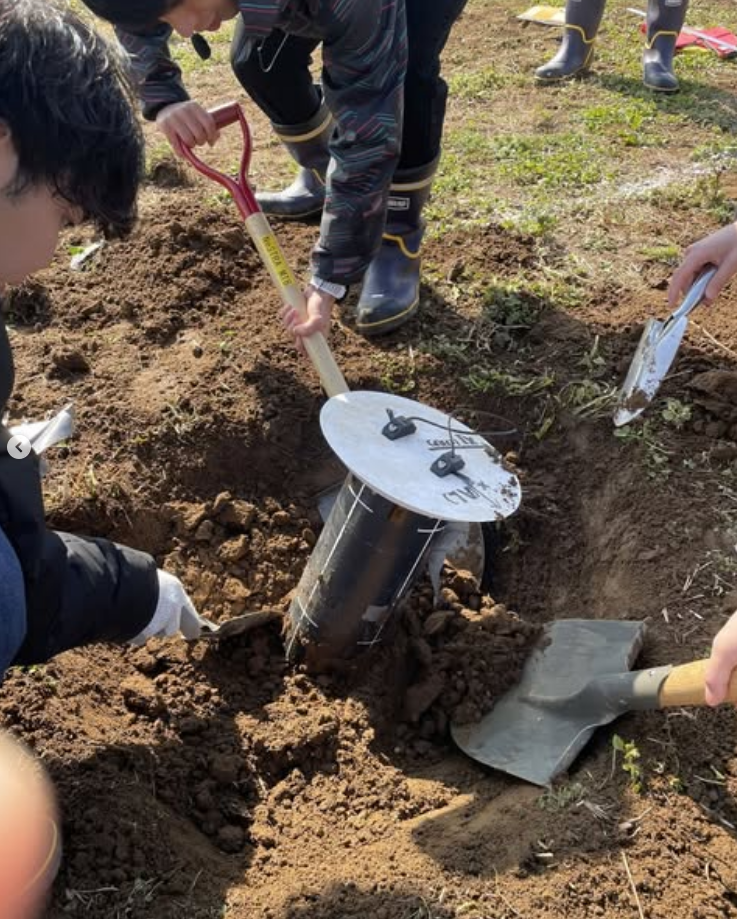
CFRP製ペネトレータ筐体、落下貫入試験、ガス銃型貫入試験
CFRP penetrator, drop penetration test, gas-gun penetration test
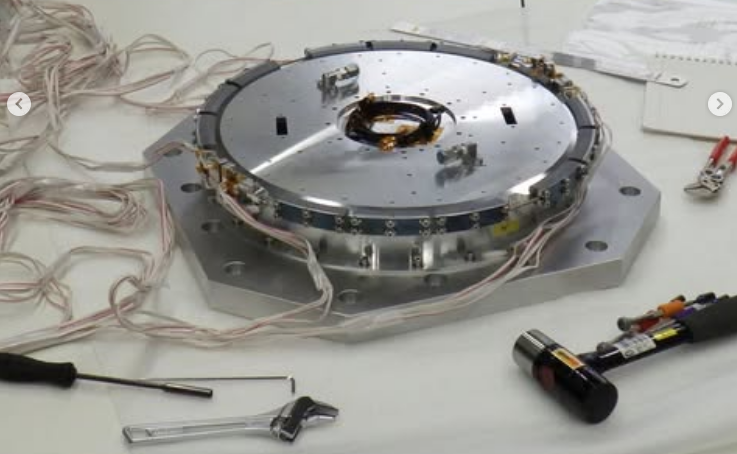
機構設計・試験、熱真空試験、振動試験
Mechanical design and testing, thermal vacuum test, vibration test
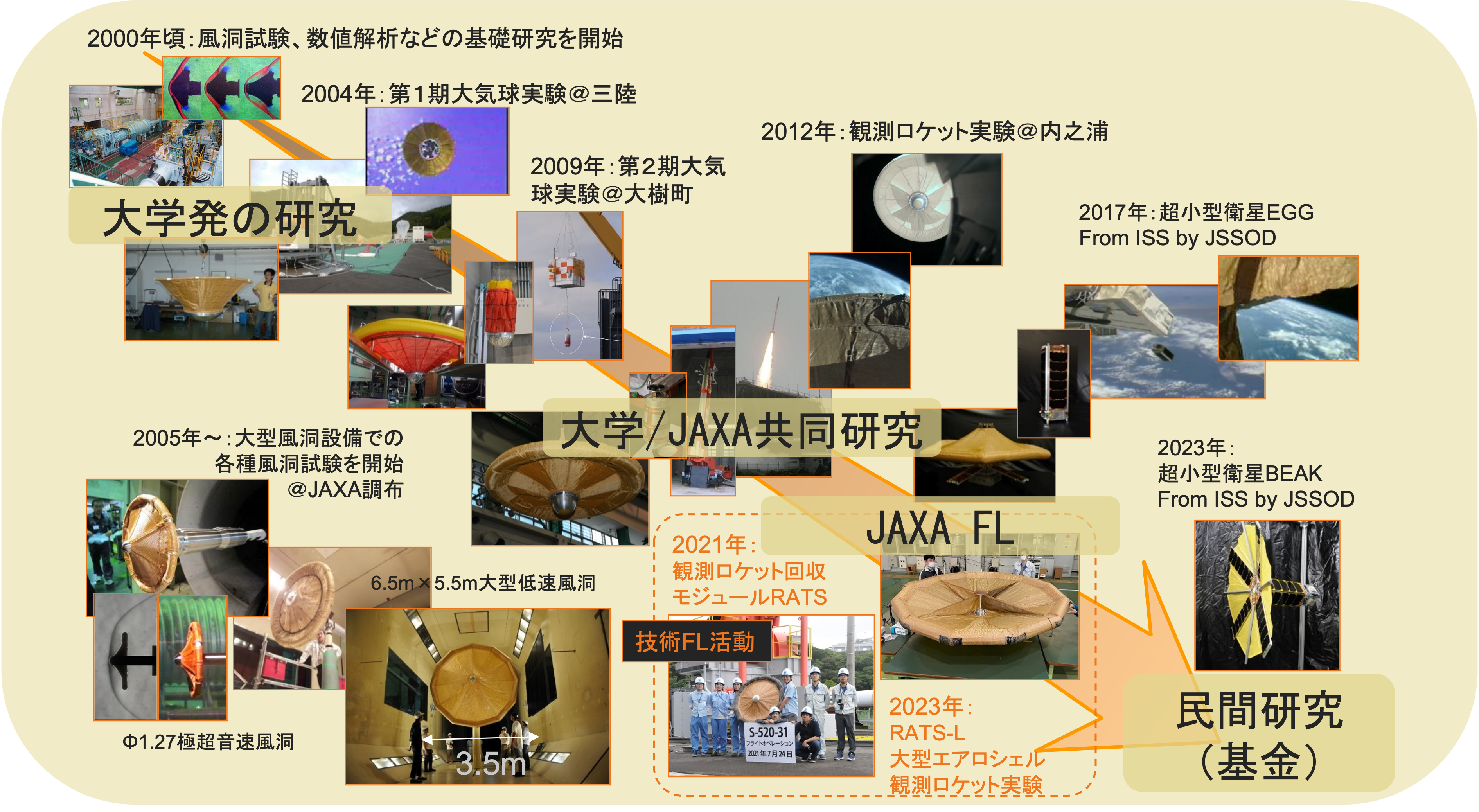
私たちは2000年頃から展開型エアロシェルの基礎研究を風洞実験や数値シミュレーションで独自に開始しました。その後、成層圏気球を用いた落下飛行試験を2回、観測ロケットによる再突入実験を3回、超小型衛星による軌道上実証を2回を行ってきました。このように、展開型エアロシェルの技術はフライト実験によって成熟してきました。 次のステップは、地球低軌道からの大気圏再突入実証(FEATHER)です。それが成功すれば実際のミッションに応用可能であることが示され、低コストな超小型火星着陸機(FANG)の実現に大きく近づくことになります。
We independently initiated fundamental research on deployable aeroshells around the year 2000 through wind tunnel experiments and numerical simulations. Since then, we have conducted two drop-flight tests using stratospheric balloons, three re-entry experiments with sounding rockets, and two on-orbit demonstrations with microsatellites. In this way, the technology of deployable aeroshells has matured through flight experiments. The next step is a re-entry demonstration from low Earth orbit (FEATHER), and if successful, it will prove that the technology can be applied to actual missions, bringing us significantly closer to realizing a low-cost micro Mars lander (FANG).
本プロジェクトは2025年2月に開始しました。2027年度初頭にステージゲート(継続審査)が予定されており、プロジェクト期間は2031年1月までの計6年間の予定です。
The project began in February 2025. A stage-gate (continuation review) is scheduled for early fiscal year 2027, and the project is planned to run for a total of six years, until January 2031.
BBM設計・試作・評価、EM設計、ロケットI/F調整、回収方法の検討
BBM design, prototyping, and evaluation; EM design; rocket I/F coordination; and recovery operation study
EM評価、FM設計、ロケットI/F確定、回収方法の確定
EM evaluation, FM design, finalization of the rocket I/F, and finalization of the recovery operation
ステージゲート、FM製造、ロケット契約、回収手配、第1回打ち上げ
Stage-gate, FM manufacturing, rocket contract, recovery arrangement, 1st launch
ポストフライト解析、システム改良、次回実験条件の検討
Post-flight analysis, system improvements, consideration of conditions for the next experiment
FM製造、ロケット契約、回収手配、第2回打ち上げ
FM manufacturing, rocket contract, recovery arrangement, 2nd launch
ポストフライト解析
Post-flight analysis
品質保証・設計基準策定、BBM設計・試作・評価、ペネトレータ設計
Quality assurance and design standards development, BBM design, prototyping and evaluation, penetrator design
BBM組立、惑星保護の検討、大型チャンバー設置、ペネトレータ評価
BBM assembly, planetary protection study, large chamber installation, penetrator evaluation
PFM設計、惑星保護デモ、ペネトレータ開発
PFM design, planetary protection demonstration, penetrator development
PFM開発、大型・高強度エアロシェル設計
PFM development, large and high-strength aeroshell design
PFM評価、大型・高強度エアロシェル評価、惑星保護評価
PFM evaluation, large and high-strength aeroshell evaluation, planetary protection evaluation
熱・衝撃・惑星保護のPFMシステム評価
PFM system evaluation of thermal, impact, and planetary protection aspects